
Creating a relaxing home workspace is essential for maintaining productivity, focus, and overall well-being throughout your workday. Whether you work from home full-time or need a designated spot for occasional tasks, designing a comfortable and calming environment can help you stay motivated and reduce stress. This post will share practical tips to transform your home workspace into a relaxing retreat where you can get things done efficiently.
Why a Relaxing Workspace Matters
When your workspace feels cluttered, chaotic, or uncomfortable, it can be hard to concentrate. On the other hand, a well-organized and calming space encourages mental clarity and helps you maintain a healthy work-life balance. By focusing on relaxation and functionality, you create an environment that promotes sustained productivity and preserves your energy.
Choose the Right Location
Finding the perfect spot in your home is the first step. Here’s what to consider:
– Natural Light: Position your desk near a window to enjoy natural light, which can improve mood and reduce eye strain.
– Minimal Distractions: Avoid areas with heavy foot traffic, loud noises, or multiple distractions to help maintain focus.
– Space for Movement: Leave room to stretch or change positions during breaks to stay comfortable.
Keep it Organized and Clutter-Free
A neat workspace can ease your mind and make it easier to find what you need. Use these tips to keep clutter at bay:
– Declutter Regularly: Dedicate a few minutes each day to clear unnecessary papers, tools, or items from your desk.
– Storage Solutions: Invest in shelves, drawers, or organizers to store supplies out of sight but within reach.
– Cable Management: Use clips or covers to keep cords untangled and prevent frustration.
Select Comfortable and Supportive Furniture
Your furniture should support comfort and good posture:
– Ergonomic Chair: Choose a chair with adjustable height and lumbar support to reduce back strain.
– Proper Desk Height: Your desk should allow your arms to rest at a 90-degree angle for typing and writing.
– Foot Support: Use a footrest if your feet don’t touch the ground to maintain circulation.
Personalize with Calming Elements
Add touches that create a peaceful atmosphere without distracting you:
– Plants: Incorporate greenery to boost air quality and bring a sense of calm.
– Soft Lighting: Use lamps or light bulbs with warm tones instead of harsh fluorescents.
– Colors: Choose soothing colors like soft blues, greens, or neutrals to reduce visual stress.
– Art and Decor: Hang inspirational or minimal artwork that uplifts you without overwhelming the space.
Minimize Digital Distractions
Technology can increase productivity but also cause interruptions. Consider these strategies:
– Notification Settings: Disable nonessential alerts on your computer and phone during work hours.
– Focus Apps: Use apps that block distracting websites or help you manage time effectively.
– Dedicated Devices: If possible, use a separate device for work to avoid mixing personal and professional tasks.
Incorporate Break-Friendly Features
Short breaks can refresh your mind and body, so make them inviting:
– Comfortable Seating: Include a cozy chair or nook for reading or relaxing during breaks.
– Hydration Station: Keep a water bottle or tea nearby to stay hydrated easily.
– Quick Stretch Area: Designate a small space for stretching or simple exercises to reduce tension.
Maintain a Routine and Boundaries
A relaxing workspace goes hand in hand with good habits:
– Set Work Hours: Define a clear schedule to help separate work time from personal time.
– Start and End Rituals: Begin and finish your day with simple actions, like organizing your desk or reviewing a to-do list.
– Communicate Boundaries: Make sure family members or housemates respect your workspace and time to minimize interruptions.
Regularly Reassess and Adjust
Your ideal workspace may change over time. Stay flexible and review your setup periodically:
– Assess Comfort and Functionality: Is your chair still supportive? Does lighting feel comfortable?
– Update Decor: Swap out elements that no longer inspire or relax you.
– Adapt to New Tools: Incorporate new technology or office supplies that improve your workflow.
Final Thoughts
A relaxing home workspace is not about perfection. It’s about creating a space that feels inviting, supports your body, and limits distractions so you can stay productive with less stress. By choosing the right location, organizing efficiently, and adding personal touches that calm your mind, you’ll build a work environment that helps you perform your best every day. Use these tips as a foundation to design the perfect spot for your unique needs. Happy working!
Related Posts
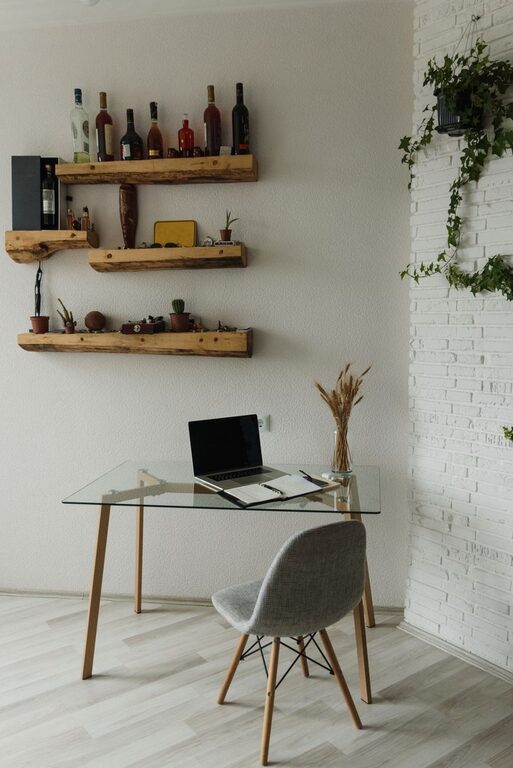
Tips for Creating a Cozy and Inviting Home Office Space
Creating a cozy and inviting home office space can transform…
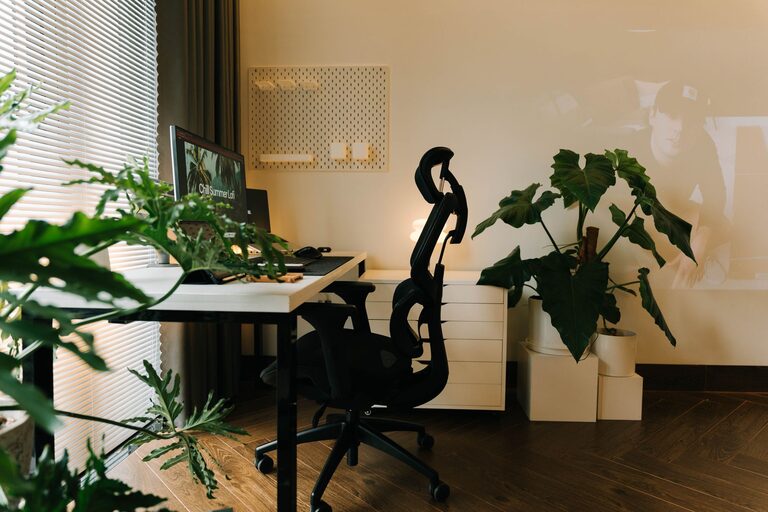
Tips for Creating a Cozy and Inviting Home Office Space
Creating a cozy and inviting home office can transform the…
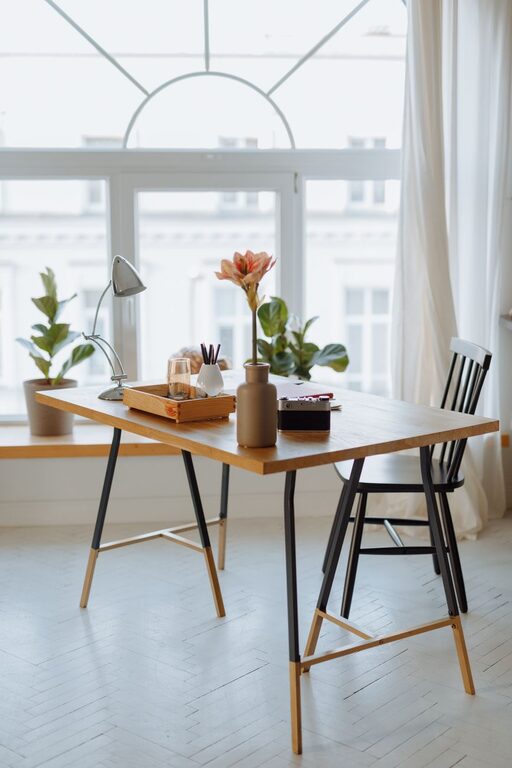
Tips for Creating a Cozy and Inviting Home Workspace
Creating a cozy and inviting home workspace is essential for…